

Plastering
Our expert plasterers have kindly agreed to share their wisdom on such topics as getting rid of Artex, plasterboard, ceiling skimming, when to apply render, coving and angle beads, mixing plaster, lathing, leak repairs, mist coating and much more. If you would require more information about our plastering services, get in touch through our website or give us a call, we’re always happy to help and advise.

Drylining
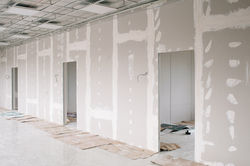
Dry lining (sometimes referred to as drywalling) is a system for cladding the internal faces of buildings, such as walls and ceilings. Plasterboard is attached to the internal faces, creating a smooth surface that finishes such as paint can be applied to directly, a ‘wet’ plaster finish is not required. Drylining is today a must to maximise thermal efficiency, ideal for both new build and refurbishment.
Benefits of Plastering & Drylining
 |
|---|
 |
 |
 |
 |
 |
01
Smooth, High-Quality Finish
Plaster and drylining create clean, even walls that make painting and decorating look more professional.
03
Enhanced Soundproofing
Additional plasterboard layers or specialized acoustic boards help reduce noise transfer between rooms.
05
Durable and Long-Lasting Surfaces
Plastered walls are strong and resistant to everyday wear, cracks, and impacts.
02
Improved Insulation
Drylining systems can include insulated boards, helping to reduce heat loss and improve energy efficiency.
04
Better Fire Resistance
Modern plasterboard offers fire-rated protection, increasing safety and helping slow the spread of flames.
06
Moisture and Damp Protection
Special boards (like moisture-resistant drywall) help protect areas such as kitchens and bathrooms from damp problems.


